If you've started a GLP-1 medication like semaglutide or tirzepatide, or you're thinking about it, you probably already know these drugs work. What you might not know is what the first few weeks actually feel like. The nausea, the bloating, the bathroom trips nobody warns you about.
I see patients in my Cypress office every week who are two or three weeks into their injection and wondering if they made a mistake. They didn't. The side effects are real, they're common, and most of them are manageable. Here's what I tell my patients.
The side effects you'll likely run into
Nausea tops the list. About 20 to 30 percent of people on semaglutide report it, especially during the first few weeks or after a dose increase. Some people also deal with vomiting, diarrhea, or constipation. Bloating and gas are frequent complaints. A smaller number of patients mention headaches, fatigue, or soreness at the injection site.
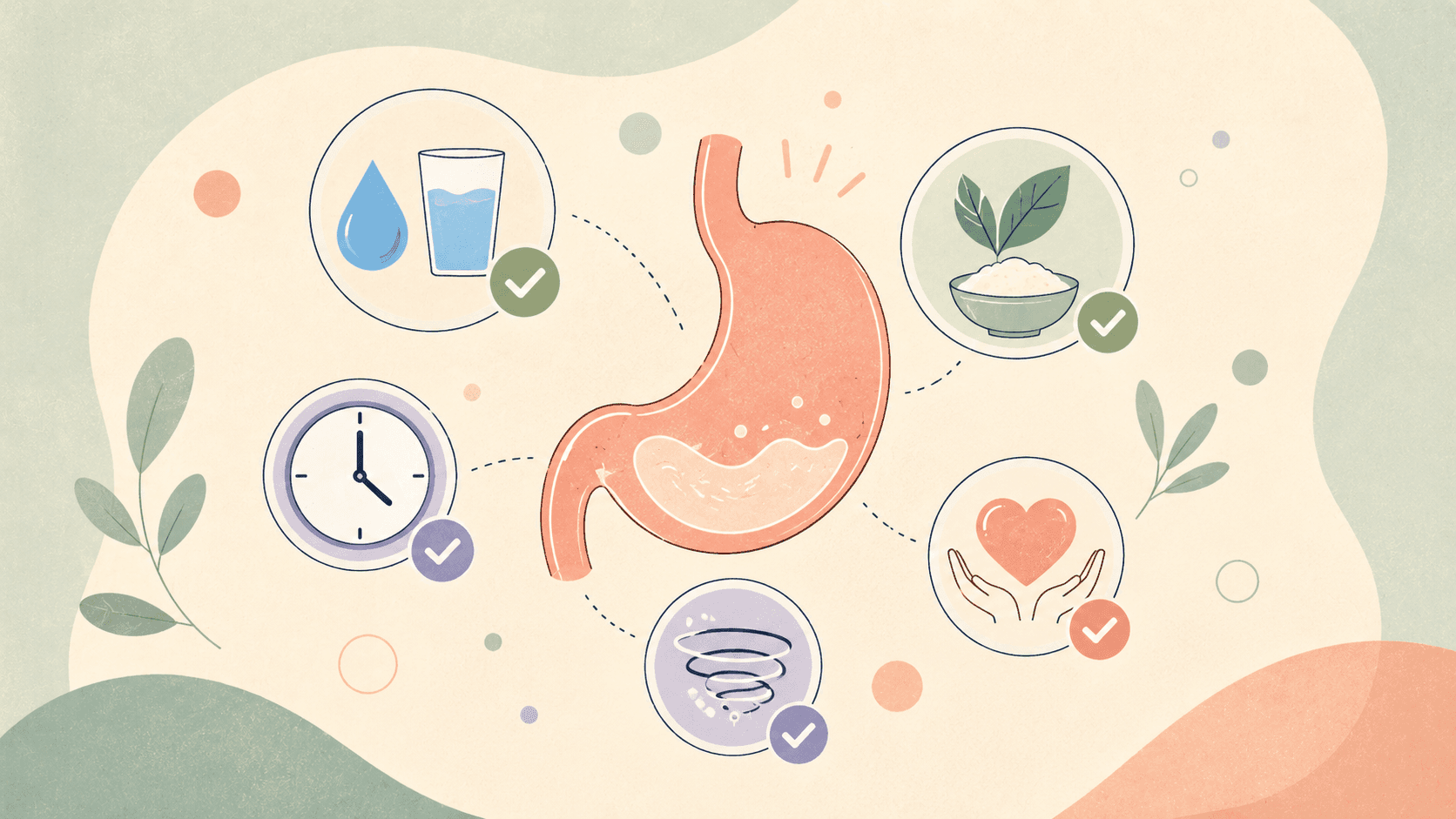
Most of these are your digestive system adjusting. GLP-1 medications slow gastric emptying, which is exactly how they help you eat less and lose weight. That same mechanism is also what causes the stomach trouble.
Why dose titration matters
The single biggest factor in how rough your first month feels is how fast your dose goes up. These medications follow a step-up schedule for a reason. Starting at the lowest dose and increasing gradually gives your body time to adapt.
Some patients want to rush the process. I get it. You want results. But jumping ahead on the dose schedule is the fastest way to spend two days feeling miserable and then calling the office to ask if you should stop. Don't skip the ramp-up. The timeline exists to keep you comfortable enough to stick with the medication long enough for it to work.
What actually helps with the nausea
Eat smaller meals. This isn't generic advice. When your stomach empties more slowly, a normal-sized meal sits there longer. Cut your portions in half if you need to. Most patients find they naturally eat less anyway, which helps.
Avoid greasy, fried, or high-fat foods, at least early on. Fat slows digestion even further, and combining that with a GLP-1 medication is a recipe for trouble. Bland, simple foods are easier on your stomach while you adjust.
Eat slowly and stop before you feel full. By the time your brain registers fullness, you may have already eaten too much for your slowed-down stomach to handle comfortably. Give it 20 minutes between bites if you can.
Stay hydrated. Dehydration makes nausea worse and can also contribute to the headaches some patients report. Water, clear broths, electrolyte drinks. Skip the carbonated stuff if bloating is a problem.
If the nausea is persistent and not just after meals, talk to your doctor. There are prescription anti-nausea options that can help during the adjustment period. You don't have to just white-knuckle it.
Dealing with the bowel changes
Diarrhea and constipation both show up, sometimes in the same patient at different points. They're opposite problems with different fixes.
For constipation, increase your fiber gradually. Vegetables, whole grains, chia seeds. And drink more water. Fiber without water just makes things worse. An over-the-counter stool softener can help if dietary changes aren't enough.
For diarrhea, the opposite approach. Keep meals small and simple. Avoid spicy foods, dairy, and artificial sweeteners, all of which can make it worse. Most GLP-1-related diarrhea improves within a couple of weeks as your body adjusts. If it doesn't, that's a conversation to have with your provider.
The muscle loss question
This one doesn't get talked about enough. When you lose weight on a GLP-1 medication, some of that weight loss comes from muscle, not just fat. Studies suggest up to 30 to 40 percent of the weight lost can be lean mass if you're not intentional about preserving it.
The fix is straightforward. Eat enough protein. Most patients need at least 0.7 to 1 gram of protein per pound of ideal body weight. That means prioritizing chicken, fish, eggs, Greek yogurt, beans, or whatever protein sources work for you. And resistance training. Even basic bodyweight exercises a few times a week signal your body to hold onto muscle.
This matters because muscle loss is what drives the "Ozempic face" and the sagging people complain about. It also matters for long-term metabolic health. Losing weight is only half the goal. Keeping it off and staying strong is the other half.
When to call your doctor
Most side effects are annoying but not dangerous. A few things need immediate attention:
Severe, persistent abdominal pain that radiates to your back. That can be a sign of pancreatitis, which is rare but serious. Stop the medication and get seen.
A lump in your neck or persistent hoarseness. GLP-1 medications carry a black box warning for thyroid C-cell tumors based on rodent studies. It's uncommon in humans, but the warning exists for a reason.
Signs of gallbladder problems, like upper right abdominal pain, fever, or yellowing of the skin. Rapid weight loss increases gallstone risk, and GLP-1 medications may add to that.
If you're pregnant or planning to become pregnant, these medications aren't recommended. Talk to your doctor about alternatives.
The bottom line on sticking with it
Most side effects peak in the first four to six weeks and then ease up significantly. The patients who do best are the ones who push through that initial adjustment period with some practical strategies in place. You don't need to suffer through it, but you do need to be patient with your body while it adapts.
How we can help
At FloMD Primary Care in Cypress, TX, serving Northwest Houston and surrounding communities, we work with patients on GLP-1 medications regularly. That means we don't just write the prescription and send you on your way. We monitor your dose titration, help you manage side effects as they come up, and make sure you're preserving muscle mass while losing fat.
If you're considering a GLP-1 medication and want medical supervision from a team that's done this hundreds of times, or if you're already on one and struggling with side effects, schedule an appointment with us. We'll figure out what's going on and adjust your plan accordingly.
