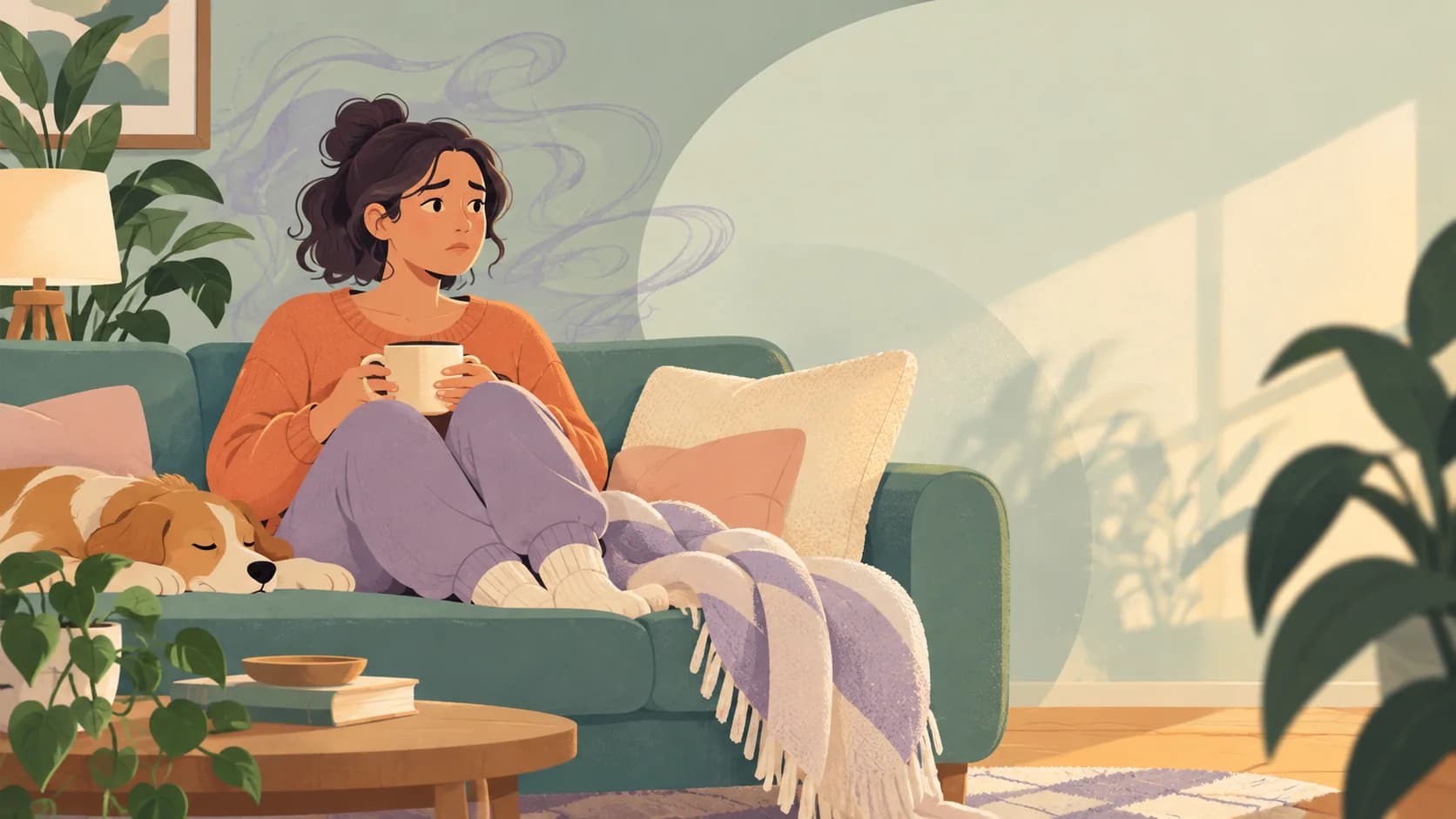

Anxiety needs treatment rather than rest when it persists for weeks, interferes with work, relationships, or sleep, makes you avoid things you used to do, or shows up as physical symptoms like chest tightness, stomach problems, or constant tension. It is one of the most treatable conditions in primary care. Therapy, medication, or both work well for most people, and a primary care visit is a reasonable place to start — including checking for medical conditions that can mimic anxiety.
Key takeaways
Normal stress tracks a cause and eases when the cause passes. Anxiety that needs treatment persists and spreads.
Thyroid problems, heart rhythm issues, caffeine, and some medications can produce anxiety-like symptoms.
Therapy, particularly cognitive behavioral therapy, is highly effective and often first-line.
Medication helps many people, and the long-term options are not habit-forming.
If you are having thoughts of harming yourself, call or text 988 now.
Everyone has stress. I see that every day in Cypress. Work, traffic, bills, family, health scares. But there is a point where normal stress turns into something that needs more than rest and a good night's sleep.
Signs anxiety may need treatment
It is interfering with work or relationships.
You are avoiding things you used to do.
Your sleep is consistently poor because of racing thoughts.
You have physical symptoms like chest tightness, stomach issues, or constant tension.
You feel on edge most days, not just during obvious crises.
You have sudden episodes of intense fear with a pounding heart, shortness of breath, or a sense of doom.
You are relying more on alcohol or other substances to take the edge off.
Duration matters. A rough two weeks around a stressful event is normal. Most days for a month or more, with no obvious end in sight, is worth a conversation.
Ruling out medical causes first
Part of what a primary care visit adds is making sure the anxiety is not coming from somewhere else. An overactive thyroid, heart rhythm problems, low blood sugar, anemia, and sleep apnea can all produce symptoms that feel like anxiety. So can too much caffeine, decongestants, some asthma inhalers, stimulant medications, and withdrawal from alcohol. A short history and a few targeted labs usually sort this out.
One important distinction: chest pain or pressure with shortness of breath can be a panic attack, but it can also be your heart. If it is new, severe, or comes with exertion, sweating, or pain spreading to your arm or jaw, call 911 rather than assuming it is anxiety.
What treatment looks like
Treatment does not always mean medication. Sometimes it means therapy. Sometimes it means both.
Therapy. Cognitive behavioral therapy has the strongest evidence for anxiety disorders and teaches skills that keep working after treatment ends. Many therapists now offer telehealth, which removes one of the biggest barriers to starting.
Medication. The usual long-term medications for anxiety are the same classes used for depression. They are not habit-forming, they take a few weeks to work, and side effects are often mild and temporary. Faster-acting sedative medications exist, but they carry a real risk of dependence and are generally best avoided for ongoing use.
The basics. Regular exercise, consistent sleep, and cutting back on caffeine and alcohol make a measurable difference on their own and make other treatments work better. They are not a substitute when anxiety is significant, but they are part of every good plan.
When to get help right away
If you are having thoughts of suicide or of harming yourself, call or text 988 to reach the Suicide and Crisis Lifeline, available any time. If you are in immediate danger, call 911 or go to the nearest emergency room. You do not need to wait for an appointment for this.
Common questions
Can my primary care doctor treat anxiety, or do I need a psychiatrist?
Most anxiety is diagnosed and treated in primary care. A psychiatrist becomes helpful when symptoms are severe, when first treatments have not worked, or when anxiety comes with other conditions such as bipolar disorder. We can help you decide and refer when needed.
Will I have to take medication forever?
Usually not. Many people take medication for six to twelve months after symptoms improve and then taper off with their doctor. Some benefit from longer treatment. Stopping should be gradual and planned, not abrupt.
Is it anxiety or depression?
Often both. They overlap heavily, share many treatments, and tend to show up together. Screening for one usually means screening for the other, which is a routine part of an annual visit.
Will this go on my record and affect my job?
Your medical record is confidential and protected by privacy law. Your employer does not have access to it. If you have a specific concern, such as a job with medical certification requirements, raise it at the visit and we can talk it through.
The important thing is not to minimize it. If anxiety is running your life more than you want, bring it up at your next visit at FloMD Primary Care in Cypress — or book one specifically for it. If poor sleep or constant tiredness are part of the picture, our post on when fatigue is more than being tired covers the overlap.
